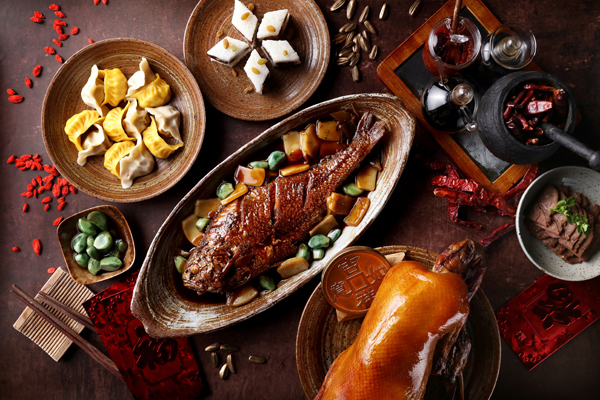
New Year's Eve dinner
Introduction
The New Year's Eve dinner, known as the Family Reunion Dinner, is a deeply significant cultural tradition in China, akin to Christmas dinner in the West. It takes place on Chinese New Year's Eve, a time when families reunite regardless of distance, to celebrate togetherness and the start of a new year. This meal is considered the most important meal of the year, filled with symbolism and cultural traditions that vary across different regions in China.
Traditions
The New Year's Eve dinner is a celebration of unity and family bonds. The event is not just about the food, but also the cultural and familial significance it carries. The dinner traditionally features various dishes that symbolize prosperity, reunion, and good fortune. Common dishes include fish, dumplings, rice cakes, and meatballs, each with its own symbolic meaning. Fish, for example, is a must-have as it sounds like "surplus" in Chinese, symbolizing abundance. Dumplings, especially popular in northern China, resemble ancient Chinese gold ingots, symbolizing wealth.
Regional Diversity
New Year's Eve dinners showcase the rich regional diversity within China, with different areas having unique culinary traditions. In the north, dumplings are a staple, while southern regions might feature dishes like poon choi or rice cakes. In Shanghai, a hot pot with ingredients such as egg dumplings is common. In Northeast China, meatballs and dishes like pig trotters are traditional. Each dish is crafted to symbolize happiness, prosperity, and good fortune, reflecting the local customs and flavors.
Modern Trends
In recent years, there has been a growing trend towards partially prepared meals and dining out for New Year's Eve dinner. Many people are turning to catering services that provide semi-finished festival dinners, allowing families to enjoy high-quality meals at home without the stress of preparation. This trend is particularly popular among younger generations and urban dwellers, who appreciate the convenience and quality of restaurant-prepared meals. Some caterers offer delivery services to ensure timely enjoyment of the dinner, while others provide in-home chef services for a personalized experience.
Cultural Significance
The New Year's Eve dinner is more than just a meal; it is a time for cultural reflection and the reinforcement of familial ties. The event is steeped in Chinese traditions, with each dish carrying auspicious meanings and serving as a reminder of the importance of family unity. It is a time when family members, whether near or far, come together to honor traditions, share stories, and look forward to a prosperous new year. The dinner also reflects the blending of traditional and modern lifestyles, as new trends and conveniences are incorporated into this age-old celebration.








